
SAP + Business Central + DMS Integration — Engagement Pattern
How we approach a multi-system integration that connects SAP, Microsoft Dynamics Business Central and a DMS platform into a single near-real-time data flow.
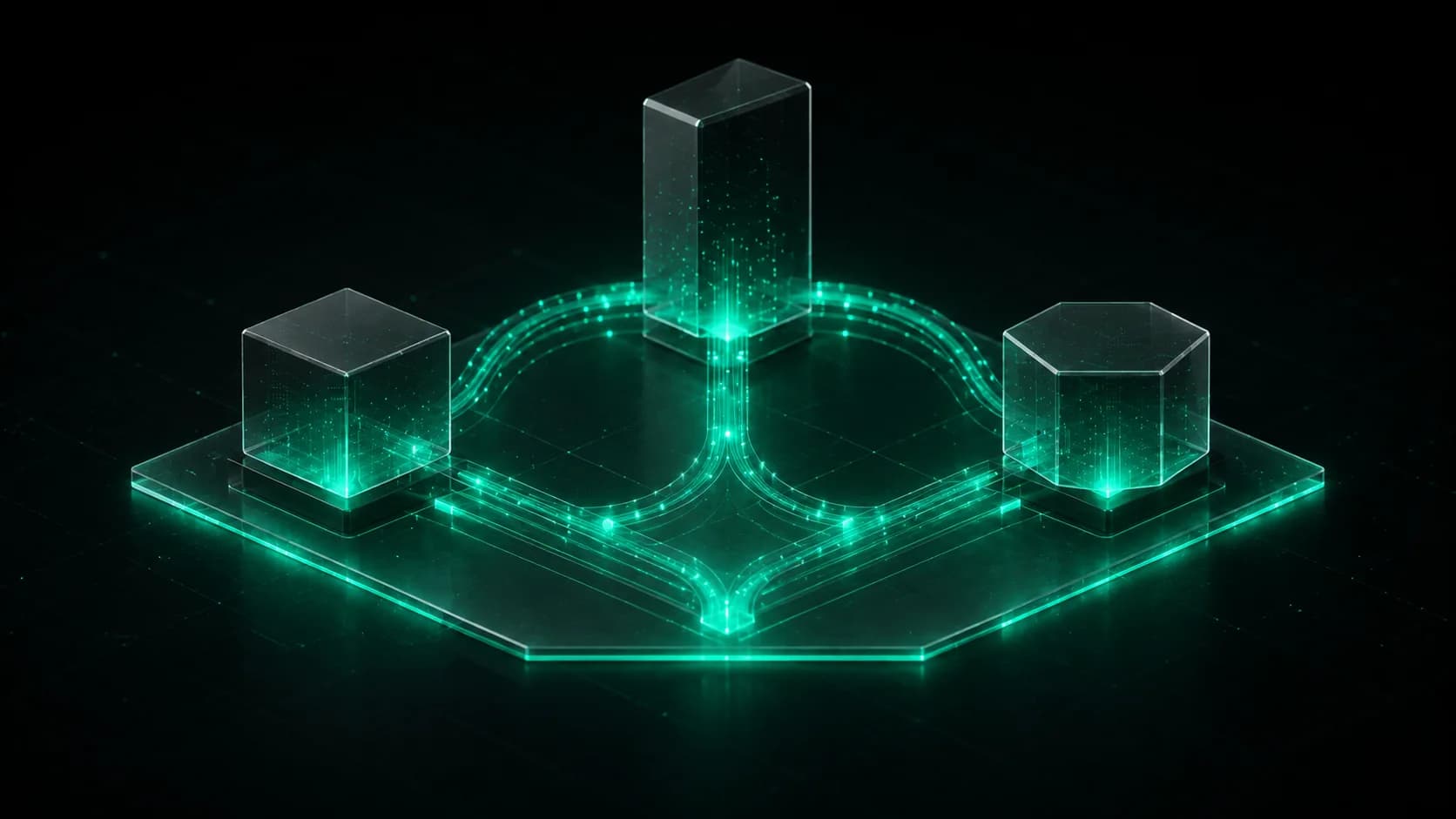
Illustrative engagement pattern. This page describes the typical scope, phases, and outcomes of an SAP + Business Central + DMS integration as we run them, drawing on the partner network where SAP-side work is in scope. It is not a specific customer reference. Concrete engagements are governed by client NDAs; we discuss specific references under NDA on request.
When this engagement fits
A mid-sized organisation that runs SAP for finance and procurement, has Microsoft Dynamics Business Central in another part of the group (often a subsidiary or recently acquired entity), and stores documents in a separate DMS. The pain shows up as duplicate data entry between the ERPs, documents that exist in three places with three different metadata sets, and management reports that never quite reconcile.
The challenge we typically meet
Each system is a system of record for someone. SAP owns the invoice posting; Business Central owns the operational order; the DMS owns the archived PDF. Without a clear integration design, the same business event is captured three times by three teams, with predictable drift.
How we run the engagement
- Architecture decision first. We define the single source of truth per document and data class — typically SAP for financial transactions, Business Central for operational records, and the DMS for the archived document object — before any code is written.
- SAP-side integration — bidirectional flows between SAP (ECC or S/4HANA) and the DMS using ArchiveLink for documents tied to business objects, and REST / OData for cases without a business object reference. SAP-certified specialists from our partner network handle the SAP-side configuration.
- Business Central connectivity — REST API connections so operational documents are archived and linked to the BC records they belong to, without forcing users out of their day-to-day UI.
- Middleware on EU cloud — the integration layer runs on Azure (or AWS / Hetzner if compliance requirements push that way) with monitoring, idempotent retries and event-driven patterns where freshness matters.
- Workflow automation — once data flows correctly, we remove manual hand-offs: AP approval, document distribution, and master-data updates run on events rather than e-mails.
Outcomes a well-run integration delivers
A consistent picture of the business across all three systems, in near real time. Manual data re-entry between ERPs largely eliminated. Documents linked to the transactions they belong to, from inside whichever system the user lives in. Management reports that reconcile because they draw from a single, synchronised data flow. Audit trails that are tamper-evident on both the document side and the transaction side.
For a scoped assessment of a multi-ERP integration in your environment, see the system integrations service page or contact us.